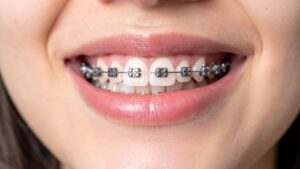
There is a moment when someone catches their reflection and realizes their smile deserves more than being hidden. That moment can bring hope, excitement, and a little nervousness when trying to choose the right orthodontic treatment. The idea of transforming a smile can feel overwhelming, especially when comparing modern systems like Damon braces to the traditional brackets many people grew up seeing. The good news is that understanding the difference does not have to be stressful. Here, you will learn what sets these options apart and what to consider before choosing the one that fits your goals.
This guide explores whether is Damon braces better than traditional options, how each system works, and what real advantages patients notice during treatment.
Understanding How Damon Braces Work and Why They Feel Different
Damon braces use a self-ligating system that gently guides teeth without elastic ties. This modern design reduces friction and allows the wire to move more freely. For many patients, that means less pressure during adjustments and a smoother treatment experience. One of the biggest questions people ask is how Damon braces compare in comfort since the technology focuses on lighter forces.
The system is known for providing a comfortable experience because of its self-ligating brackets.
Why Traditional Braces Still Work Well for Many Patients
Traditional braces remain a trusted orthodontic option because they are strong, predictable, and effective for even the most complicated cases. They use elastic ties, which apply continuous pressure to move teeth into the right position. This method has been used for decades and is still a great choice for people who need extensive alignment work.
Traditional braces are often recommended for severe crowding or complex bite problems where precise adjustments are needed.
Do Damon Braces Make Treatment Faster? What Patients Often Notice
Speed matters when choosing braces, and many patients want to know if Damon braces help finish treatment sooner. Damon braces are designed to work efficiently because the self-ligating brackets allow the wire to slide more easily. This can reduce treatment time for some patients, especially those with mild to moderate crowding.
Many people appreciate how Damon braces help shorten appointments and speed up progress for certain bite and alignment cases.
How Damon Braces Can Offer a Cleaner, More Natural Smile During Treatment
Damon braces use smaller brackets that blend more naturally with teeth. They do not use rubber bands on each bracket, which gives them a cleaner and less bulky look compared to traditional braces. For people who feel self-conscious about the appearance of orthodontic appliances, this can be a big benefit.
These smaller brackets help keep the smile looking cleaner throughout treatment because they collect less plaque.
Comparing Comfort: Which Option Feels Better Day to Day
Comfort plays a major role when deciding between Damon and traditional braces. Damon braces often feel gentler because they use lighter pressure. Many patients report less soreness after adjustments. Traditional braces can feel tighter after wire changes, especially since rubber ties increase tension.
Most patients notice that Damon braces provide a lighter, more comfortable daily experience because of their low-friction design.
Maintenance Matters: Which Braces Are Easier to Clean?
Cleaning teeth during orthodontic treatment takes extra time, but Damon braces can make it a bit easier. Without elastic ties, there are fewer places for food to get trapped. This reduces plaque buildup and lowers the risk of gum irritation. Traditional braces are still easy to clean, but they require more attention around the elastic ties.
The simpler design of Damon braces makes brushing and flossing easier for many patients.
What’s the Cost Difference Between Damon and Traditional Braces?
The cost of braces depends on treatment time, complexity, and location. Damon braces may cost slightly more than traditional braces because of the technology behind them. However, some patients feel the added comfort and shorter appointments make the investment worthwhile. Traditional braces are often the more affordable option, which is why they remain so popular.
The price difference is usually small, and both systems deliver excellent results when supervised by a skilled orthodontist.
Which Option Is Truly Better? A Realistic Look at Your Needs
The question is whether Damon braces are better than traditional braces, depending on what matters most during your treatment. Damon braces focus on comfort, reduced pressure, easier cleaning, and a cleaner appearance. Traditional braces provide strong control and predictability for complex problems. Both options work extremely well, and the best choice depends on your goals, timeline, and your orthodontist’s recommendation.
The truth is that both Damon and traditional braces can create healthy, beautiful smiles when used correctly.
Your Smile Journey Matters: Why It Helps to Work With a Trusted Orthodontic Team
Choosing braces is not only about brackets and wires. It is about the people guiding your treatment. Working with an experienced orthodontic team helps you feel supported, informed, and confident throughout the process. Whether you choose Damon braces or traditional braces, the right orthodontist makes a huge difference in your overall experience.
Having a caring team helps make the entire process feel more comfortable, enjoyable, and personal.
Why Nathan Davis Orthodontics Is a Trusted Choice for Braces in Mesa and Chandler
Nathan Davis Orthodontics has helped families across Mesa and Chandler feel great about their smiles for decades. Led by Dr. Nathan Davis, a highly trained orthodontist with deep roots in the community, the team uses advanced orthodontic systems, including Damon braces and traditional options. Patients appreciate the friendly environment, state-of-the-art technology, and the warm, helpful staff members who make every visit enjoyable.
With two convenient locations, the team provides personalized orthodontic care that helps patients feel confident at every step of treatment. Nathan Davis Orthodontics offers Damon braces, traditional braces, early interceptive care, and modern aligner options. To get started on a smile that feels natural, bright, and truly yours, schedule a virtual consultation today through their website or call their Mesa or Chandler office.
Conclusion: Making the Best Choice for Your Smile
The decision between Damon and traditional braces is easier when you understand how each system works. Damon braces focus on comfort and efficiency, while traditional braces offer powerful control for complex cases. Asking whether Damon braces better than traditional ones becomes less about which one is perfect and more about which option matches your lifestyle and needs. With the guidance of a knowledgeable orthodontist, you can feel confident that you are choosing the right path toward a healthier, balanced, and more confident smile.
Frequently Asked Questions
1. Are Damon braces more comfortable than traditional braces?
Many patients find Damon braces more comfortable because they use lighter pressure and do not rely on elastic ties. The self-ligating design reduces friction, which helps decrease soreness. Comfort levels vary, but Damon braces are known for a gentler experience.
2. Do Damon braces make treatment faster?
For some patients, Damon braces may help shorten treatment time due to their low-friction system. They allow the wire to move more freely, which can speed progress for certain alignment issues. Treatment time still depends on individual needs and orthodontic complexity.
3. Are traditional braces still a good option?
Yes, traditional braces remain very effective. They provide excellent control and are often recommended for complicated alignment or bite problems. They are also a tried-and-tested option that works for patients of all ages.
4. Are Damon braces harder to clean?
Damon braces are often easier to clean because they do not use rubber ties. This reduces plaque buildup and makes brushing more manageable. Traditional braces require more cleaning around elastic ties but can still be maintained with good oral hygiene habits.
5. How do I know which braces are right for me?
The best way to choose is by consulting with an experienced orthodontist. Your needs, goals, and oral condition all play a role in determining the right system. A professional evaluation helps ensure you start with a plan that suits your lifestyle and long-term smile goals.