The world of orthodontic treatments has transformed dramatically over recent years. While traditional braces have long been the cornerstone of teeth straightening, clear aligners have emerged as a compelling alternative for patients seeking effective yet discreet orthodontic care. At Nathan Davis Orthodontics, we understand that choosing between these orthodontic treatment options can be challenging, which is why we’ve created this comprehensive comparison guide.
This article examines the key differences between clear aligners and traditional braces, helping you understand which orthodontic treatment might best suit your unique dental needs, lifestyle preferences, and personal goals. Let’s dive into everything you need to know to make an informed decision about your smile journey.
Understanding Clear Aligners: Modern Orthodontic Innovation
The landscape of orthodontic treatments has been transformed by the introduction of clear aligners, giving patients more choices than ever before. Let’s explore how this innovative approach works and why it’s becoming increasingly popular.
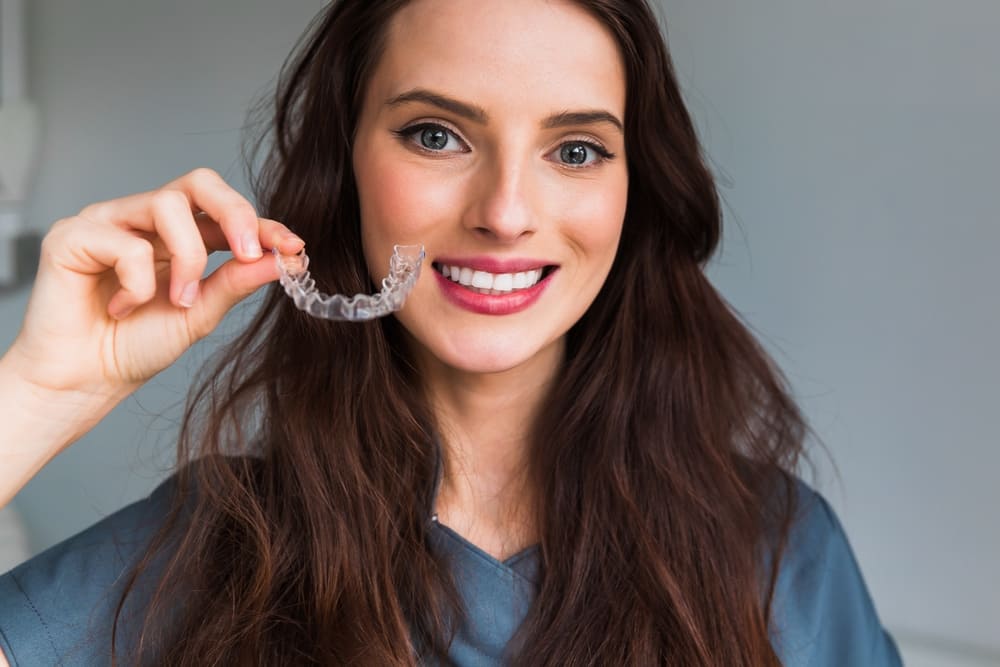
Clear aligners represent a revolutionary approach to orthodontic treatment, offering a virtually invisible alternative to conventional braces. These custom-crafted transparent trays fit precisely over your teeth, gently guiding them into alignment through a series of progressive adjustments.
Your orthodontic journey with clear aligners begins with a comprehensive consultation, where your orthodontist captures detailed digital scans or impressions of your dental structure. These images form the foundation for your personalized treatment plan, with each set of aligners carefully designed to achieve specific, incremental movements.
For optimal results, you’ll wear your aligners for 20-22 hours daily, removing them only for eating, drinking, and oral hygiene. Every two weeks, you’ll transition to the next set in your series, each one bringing you closer to your ideal smile.
Leading clear aligner brands like ClearCorrect and Invisalign in Mesa have established impressive track records in orthodontic treatment, effectively addressing mild to moderate alignment issues without the visual impact of traditional braces.
Traditional Orthodontic Treatments: Time-Tested Solutions
While clear aligners represent modern innovation, traditional orthodontic treatments have stood the test of time for good reason. These conventional approaches continue to offer reliable solutions for patients with varying dental needs.
Traditional orthodontic treatments center around braces, a proven system of brackets, wires, and bands that work together to create your perfect smile. These orthodontic appliances come in several variations, with metal braces offering unmatched strength and durability, while ceramic options provide a more subtle appearance with tooth-colored components.
The science behind traditional orthodontic treatments involves consistent pressure application that gradually shifts teeth into proper alignment. Your orthodontist bonds brackets to each tooth’s surface, connects them with specialized wires, and often utilizes small elastic bands to create precise movements. Through regular adjustments, your orthodontist fine-tunes the tension, ensuring your teeth continue moving in the planned direction.
Despite the growing popularity of alternative orthodontic treatments, traditional braces remain the gold standard for addressing complex alignment issues, severe malocclusions, and comprehensive bite corrections, showcasing why they’ve remained a cornerstone of orthodontic care for generations.
Treatment Process: Clear Aligners vs. Traditional Braces
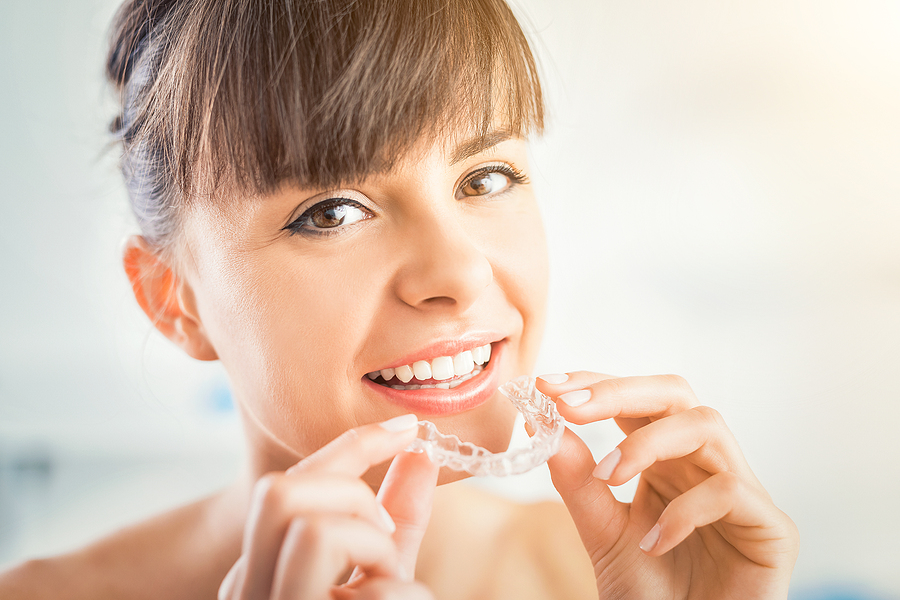
Woman wearing orthodontic silicone trainer. Invisible braces aligner. Mobile orthodontic appliance for dental correction.
Understanding the treatment process for each orthodontic option helps patients know what to expect during their smile transformation journey. The procedures differ significantly in approach, frequency of visits, and overall experience.
The Clear Aligner Journey
Your clear aligner orthodontic treatment begins with a thorough initial evaluation, where your orthodontist assesses your dental condition and discusses your smile goals. Advanced imaging technology creates detailed digital impressions of your teeth, enabling the development of a customized treatment sequence that maps out every stage of your alignment process.
Once your custom aligners arrive, you’ll begin wearing them according to your orthodontist’s instructions. Each aligner set works to gradually reshape your smile over approximately two weeks before progressing to the next in the series. The transparent nature of these orthodontic devices allows you to straighten your teeth discreetly, with most people never noticing you’re undergoing treatment.
A significant advantage of clear aligner orthodontic treatment is the reduced frequency of professional visits. Typically, you’ll see your orthodontist every 6-8 weeks for progress monitoring, but most of your treatment progresses independently. With consistent wear, many patients complete their clear aligner therapy in just 6-12 months, often faster than traditional orthodontic options.
The Traditional Braces Experience
Traditional orthodontic treatment follows a different pathway, beginning with a comprehensive examination and customized treatment planning. Your orthodontist carefully positions brackets on each tooth, threads archwires through these attachments, and may add elastics to address specific alignment concerns.
This orthodontic approach requires more frequent professional involvement, with adjustment appointments typically scheduled every 4-6 weeks. During these visits, your orthodontist modifies the tension and direction of the wires to ensure continuous progress toward your ideal alignment.
While traditional orthodontic treatments generally involve more in-office visits and longer overall treatment duration (typically 18-24 months), they excel at correcting complex dental issues that might be beyond the scope of clear aligner therapy. This makes traditional braces an invaluable orthodontic solution for patients with severe misalignments or significant bite discrepancies.
Aesthetic Considerations: Visibility and Appearance
For many patients considering orthodontic treatments, appearance during the treatment process is a significant concern. The visual impact of your chosen orthodontic solution can affect your confidence and comfort in social and professional settings.
The Discreet Appeal of Clear Aligners
Clear aligners offer a remarkable aesthetic advantage in the world of orthodontic treatments. The transparent plastic material makes them nearly undetectable during everyday interactions, allowing you to maintain your confidence throughout your orthodontic journey. This visual discretion particularly appeals to adults and teens who may feel self-conscious about wearing more noticeable orthodontic appliances.
The removable nature of clear aligners adds another layer of aesthetic benefit, as you can temporarily take them out for important events, photos, or presentations. This flexibility helps many patients feel more comfortable pursuing orthodontic treatment without worrying about altering their appearance during significant moments.
The Traditional Braces Aesthetic
Traditional orthodontic treatments feature more visible components, with metal brackets and wires being the most noticeable option. While ceramic braces offer a more subtle alternative with tooth-colored materials, they remain more apparent than clear aligners during social interactions and professional settings.
The visibility factor of traditional orthodontic treatments can affect confidence for some patients, particularly adults in professional environments or teens navigating social dynamics. However, many embrace their braces as a temporary step toward a lifetime of improved dental health and aesthetics, focusing on the transformative end result rather than the treatment process.
Comfort and Convenience Factors
Beyond aesthetics, the day-to-day experience of living with your orthodontic treatment can significantly impact your satisfaction throughout the process. Both treatment options offer distinct advantages and challenges when it comes to physical comfort and lifestyle accommodation.
The Comfort Advantage of Clear Aligners
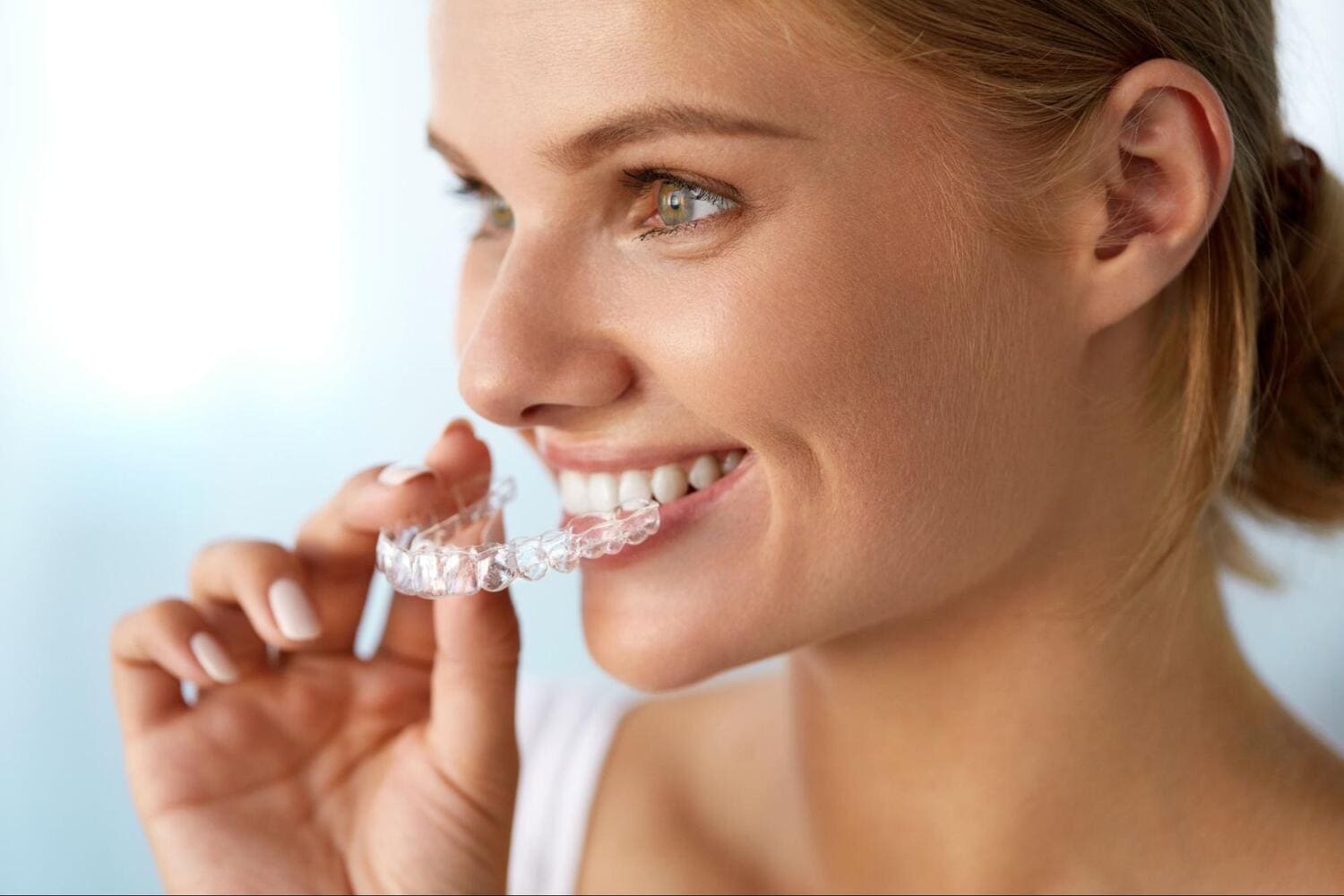
From a comfort perspective, clear aligners typically offer a more pleasant orthodontic treatment experience. The smooth plastic material eliminates the potential irritation caused by protruding brackets and wires, reducing the likelihood of mouth sores or soft tissue abrasions during your treatment journey.
The custom-fit design ensures your aligners sit precisely against your dental surfaces, providing consistent, gentle pressure rather than the periodic intense adjustments associated with traditional orthodontic treatments. Additionally, the ability to remove your aligners during meals prevents food restrictions and the discomfort of particles lodging in orthodontic hardware.
Navigating Life with Traditional Braces
Traditional orthodontic treatments can present more significant comfort challenges, particularly following adjustment appointments when the increased tension may cause temporary soreness. The physical presence of brackets and wires requires an adaptation period as your mouth becomes accustomed to these new structures.
Dietary modifications represent another consideration with traditional orthodontic treatments, as certain foods (particularly those that are hard, sticky, or chewy) can damage components or complicate cleaning. Maintaining thorough oral hygiene also requires extra diligence and specialized tools to clean effectively around brackets and under wires, a contrast to the straightforward care routine with removable clear aligners.
Treatment Effectiveness and Duration
When investing in orthodontic treatment, patients naturally want to understand how effective their chosen method will be and how long they’ll need to commit to the process. The two approaches differ considerably in their capabilities and typical timeframes.
Clear Aligner Capabilities
Clear aligners excel in addressing specific orthodontic treatment needs, particularly mild to moderate alignment issues like overcrowding, gaps, and minor bite discrepancies. The precise, computer-designed movement sequence creates predictable results for these common concerns, often with shorter overall treatment timelines of 6-12 months for straightforward cases.
However, it’s important to recognize the limitations of clear aligner orthodontic treatment. More complex scenarios, such as severe rotations, significant bite corrections, or extensive vertical movements, may not respond optimally to this approach, potentially requiring traditional orthodontic alternatives for comprehensive correction.
The Power of Traditional Orthodontic Treatments
Traditional braces offer unmatched versatility in addressing the full spectrum of orthodontic challenges. The direct, constant pressure applied through brackets and wires makes them particularly effective for complex realignments, substantial bite corrections, and cases requiring precise three-dimensional tooth movement.
While traditional orthodontic treatments typically require longer commitment periods of 18-24 months, this extended timeline enables the thorough correction of even the most challenging dental misalignments. For patients with complex orthodontic needs, the comprehensive capabilities of traditional braces often make them the most effective path to optimal results, despite the longer treatment duration.
Financial Considerations: Investing in Your Smile
The cost of orthodontic treatment is an important factor for most patients when choosing between clear aligners and traditional braces. Understanding the financial implications of each option helps you make a decision that aligns with both your dental needs and your budget.
Clear Aligner Economics
Clear aligner orthodontic treatments generally involve higher initial investment, reflecting the advanced technology, customized planning, and precision manufacturing involved in creating your personalized aligner series. However, these treatments typically require fewer in-office visits, potentially reducing the associated costs of frequent appointments and time away from work or school.
Traditional Braces Cost Structure
Traditional orthodontic treatments often feature lower upfront costs, making them initially more accessible for many patients. However, the need for regular adjustment appointments throughout the longer treatment duration can add to the overall expense when considering transportation costs and time commitments.
Most dental insurance plans that include orthodontic benefits cover both treatment approaches, though coverage percentages and lifetime maximums vary significantly between providers. Many orthodontic practices offer flexible payment options for both treatment modalities, helping make quality orthodontic care accessible regardless of your preferred approach.
Finding Your Perfect Orthodontic Match
Not every orthodontic treatment is right for every patient. Your unique dental conditions, lifestyle needs, and personal preferences all play important roles in determining which approach will deliver the best results with the most positive experience for you.
Ideal Candidates for Clear Aligners
Clear aligner orthodontic treatment works best for:
- Adults and teens with mild to moderate alignment issues
- Patients seeking a discreet orthodontic solution
- Individuals committed to wearing aligners 20-22 hours daily
- People who prefer fewer orthodontic visits and independent management
- Those without complex bite issues or severe dental misalignments
Ideal Candidates for Traditional Braces
Traditional orthodontic treatments are particularly suited for:
- Patients with complex alignment challenges or significant bite discrepancies
- Growing children and adolescents requiring comprehensive orthodontic intervention
- Individuals who might struggle with the discipline of removable aligners
- Those needing precise, controlled tooth movements in all dimensions
- Patients seeking potentially lower initial treatment costs
Comparing Key Benefits and Limitations
To make your decision clearer, let’s summarize the primary advantages and considerations for both orthodontic treatment options. This side-by-side comparison helps highlight which factors might be most important for your specific situation.
Clear Aligner Advantages and Considerations
Benefits:
- Nearly invisible appearance during treatment
- Removable for eating, drinking, and special occasions
- Generally more comfortable without brackets and wires
- Simplified oral hygiene maintenance
- Potentially shorter treatment duration for appropriate cases
Limitations:
- Requires disciplined wear to achieve optimal results
- Less effective for complex orthodontic corrections
- Potentially higher initial investment
- Risk of misplacement when removed
- Not ideal for all types of tooth movements
Traditional Braces Advantages and Considerations
Benefits:
- Exceptional effectiveness for comprehensive corrections
- Works for all levels of complexity
- Cannot be removed or lost
- May offer lower initial treatment cost
- Proven track record for complex orthodontic challenges
Limitations:
- More visible during treatment
- Potential for discomfort, especially after adjustments
- Dietary restrictions to protect appliances
- More challenging oral hygiene requirements
- Typically longer overall treatment duration
Making Your Informed Decision
Choosing between clear aligners and traditional braces for your orthodontic treatment journey requires careful consideration of your specific dental needs, lifestyle preferences, and personal priorities. Both options offer proven paths to achieving your ideal smile, each with distinct advantages suited to different situations.
For personalized guidance on selecting the perfect orthodontic treatment for your unique circumstances, we recommend scheduling a comprehensive consultation with our experienced team at Nathan Davis Orthodontics. Our specialists will evaluate your specific dental conditions, discuss your goals and concerns, and help you navigate this important decision with confidence.
Remember that successful orthodontic treatment, regardless of the method you choose, represents an investment in both your dental health and self-confidence that delivers benefits long after your active treatment concludes.
Ready to start your journey toward a confident smile?
Contact Nathan Davis Orthodontics today to schedule a free consultation and find out which orthodontic treatment, clear aligners or traditional braces, is the best fit for your unique needs. Let’s work together to create the smile you’ve always wanted!