When you’re considering getting braces, one of the biggest questions on your mind is likely “how long do you have to wear braces?” It’s a natural concern that braces represent a significant commitment of time, money, and lifestyle adjustments. Understanding the timeline helps you plan for important events, manage expectations, and mentally prepare for the journey to a straighter smile.
Braces are orthodontic appliances designed to gradually move your teeth into their ideal positions, correcting issues ranging from minor crowding to severe bite problems. The duration of treatment isn’t a one-size-fits-all answer; it varies significantly from person to person based on multiple factors. While some patients may achieve their desired results in as little as six months, others might need to wear braces for three years or more.
The good news is that orthodontic treatments timelines aren’t random. Several predictable factors influence how long you’ll need to wear braces, from the severity of your dental issues to your age and the type of braces you choose. By understanding these factors, you can have realistic expectations about your treatment duration and even take steps to potentially shorten your time in braces.
Average Timeframes Based on Treatment Type
Different types of braces come with varying treatment durations. How long braces take depends on the system you choose, though these are general estimates that can differ based on individual circumstances:
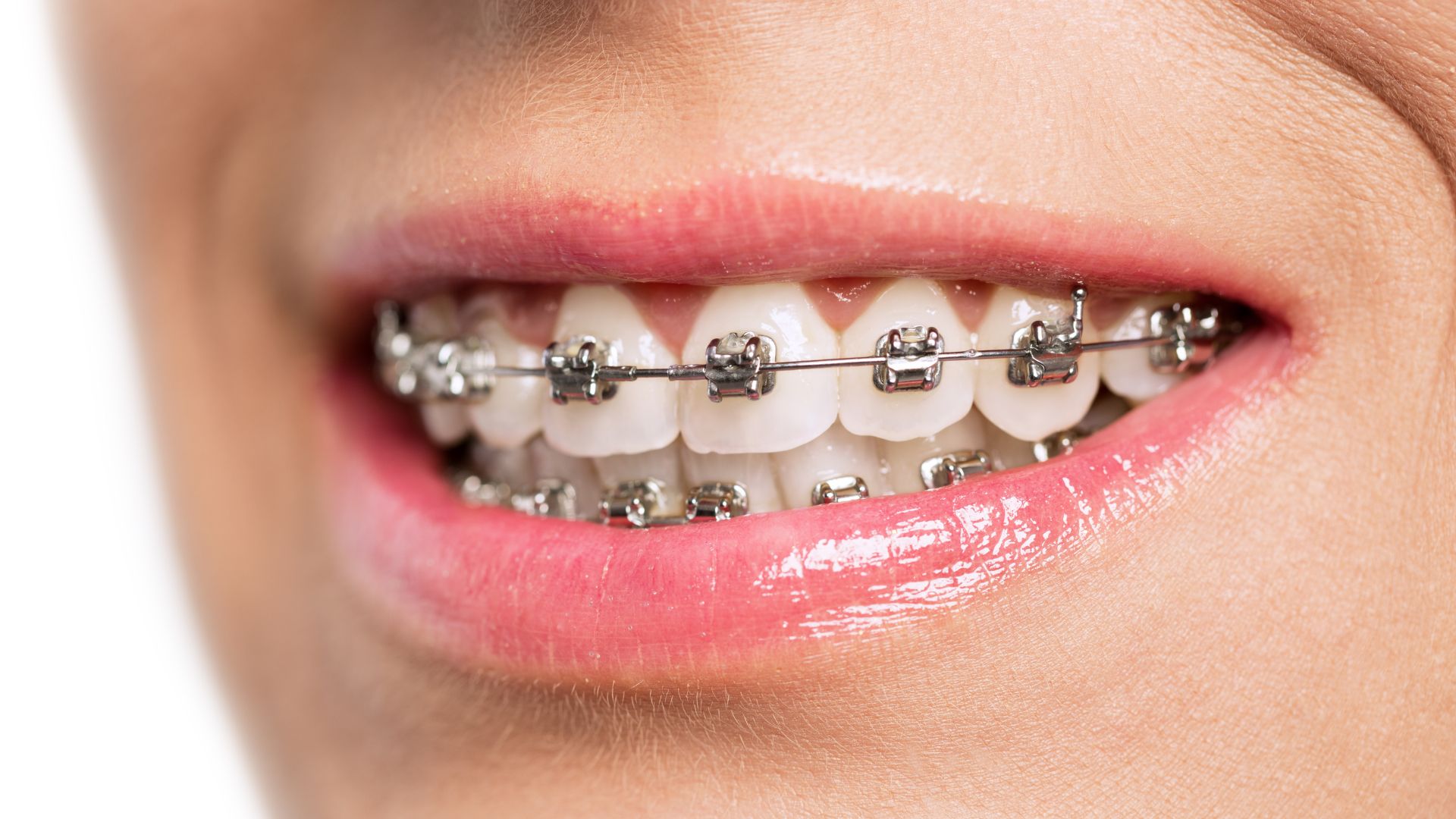
Traditional Metal Braces: The most common and versatile option, metal braces typically require 18-24 months of treatment. They’re highly effective for complex orthodontic issues and provide strong control over tooth movement. In some severe cases, treatment may extend to 36 months.
Ceramic Braces: These tooth-colored braces blend in better with your teeth but often require slightly longer treatment times than metal braces, usually 20-30 months. The ceramic material is more fragile than metal, which can sometimes lead to adjustments that extend treatment duration.
Lingual Braces: Attached to the back of your teeth for a virtually invisible appearance, lingual braces typically require 24-36 months of treatment. Their placement makes adjustments more challenging, often resulting in longer treatment times.
Clear Aligners (e.g., Invisalign): For mild to moderate corrections, clear aligners can work in as little as 6-18 months. However, treatment time heavily depends on patient compliance, you must wear the aligners for the recommended 20-22 hours daily to stay on track.
Accelerated Systems (e.g., Six Month Smiles): These focus primarily on correcting the cosmetic appearance of front teeth rather than addressing bite issues. While they can deliver visible improvements in about 6 months, they’re not suitable for comprehensive orthodontic treatment.
It’s crucial to remember that these timeframes are averages. Your individual treatment duration will depend on your specific dental needs and the factors discussed in the next section.
The 5 Biggest Factors That Affect How Long You’ll Wear Braces
Understanding what influences the average time to wear braces can help you set realistic expectations about your orthodontic journey. Here are the five most significant factors:
1. Severity of the Orthodontic Problem
The complexity of your dental issues is the most significant factor determining treatment length. Minor crowding or small gaps between teeth can often be corrected in 6-12 months. However, severe cases involving significant jaw misalignment, extreme overcrowding, or complex bite issues may require 24 months or more of treatment. Issues like severe overbites, underbites, or crossbites typically take longer to correct because they involve repositioning not just teeth but also the jaw relationship.
2. Age at the Start of Treatment
Children and teenagers often see faster results than adults because their jawbones are still developing and their teeth move more easily through the bone. The still-growing bones in younger patients respond more readily to orthodontic forces, potentially shortening treatment time. Adults, with fully developed and denser bone structure, may require longer treatment periods to achieve the same results. However, this doesn’t mean adults can’t achieve excellent outcomes, it simply may take a bit more time.
3. Type of Braces Used
Your choice of braces significantly impacts treatment duration. Traditional metal braces often work fastest for complex cases due to their durability and the precise control they offer orthodontists. Clear aligners can be equally effective for appropriate cases but require strict compliance. Lingual braces, while aesthetically appealing, may require longer treatment due to the technical challenges of adjusting them. The efficiency of force application and the ability to make precise adjustments vary between systems, affecting overall treatment time.
4. Patient Compliance
Your commitment to following treatment instructions directly impacts how long you’ll wear braces. This includes attending all scheduled appointments, wearing rubber bands or other appliances as directed, and maintaining excellent oral hygiene. For removable aligners, wearing them for the prescribed 20-22 hours daily is crucial. Missing appointments, not wearing elastics, or poor oral hygiene can significantly delay treatment. Studies show that non-compliant patients may need to wear braces 6-12 months longer than those who follow instructions carefully.
5. Initial Preparatory Work (If Needed)
Some patients require preliminary treatment before braces can be placed. This might include palatal expanders to widen the jaw, spacers to create room between teeth, or tooth extractions to address severe crowding. If you need jaw surgery (orthognathic surgery) as part of your treatment, this can add several months to the overall timeline. These preparatory steps, while extending the total treatment time, are essential for achieving optimal results and may actually reduce the time you spend in active braces treatment.
What Happens During Braces Treatment? Step-by-Step Timeline

Understanding the phases of orthodontic treatment helps you know what to expect throughout your journey:
1. Consultation & Records (1-2 weeks)
Your orthodontic journey begins with a comprehensive evaluation. During this phase, your orthodontist will take X-rays, photographs, and impressions or digital scans of your teeth. They’ll assess your bite, jaw alignment, and overall oral health to create a customized treatment plan. This planning phase typically takes 1-2 weeks as your orthodontist analyzes the records and develops your treatment strategy.
2. Braces Placement (1 appointment)
The actual placement of braces usually takes about 1-2 hours in a single appointment. Your orthodontist will clean and dry your teeth, apply a special adhesive, and carefully position brackets on each tooth. The archwire is then threaded through the brackets and secured with elastic ties. While this process is painless, you may experience some pressure and mild discomfort for a few days afterward as your teeth begin to adjust.
3. Active Phase (Ongoing for months)
This is the longest phase of treatment, where the actual tooth movement occurs. You’ll visit your orthodontist every 4-8 weeks for adjustments, where they’ll tighten wires, change elastic ties, or make other modifications to continue guiding your teeth into position.
During this phase, your teeth move gradually, typically about 1mm per month. The active phase continues until your teeth reach their desired positions, which can take anywhere from several months to a few years. The braces treatment timeline during this phase varies greatly depending on your specific needs.
4. Final Alignment & Bite Correction (Last 3-6 months)
As you near the end of treatment, your orthodontist focuses on fine-tuning tooth positions and ensuring your bite functions properly. This refinement phase might involve using different wires, elastic configurations, or other techniques to perfect your smile. Even though major movements are complete, this phase is crucial for achieving optimal results and ensuring long-term stability.
5. Debonding & Retainer Fitting (1 appointment)
Once your teeth are perfectly positioned, your braces will be removed in a process called debonding. This appointment typically takes about an hour. Your orthodontist will carefully remove the brackets and clean any remaining adhesive from your teeth. Immediately after, they’ll take impressions for your retainers, which are essential for maintaining your new smile. Some offices can create retainers the same day, while others may have you return in a few days to receive them.
Are There Ways to Speed Up Braces Treatment?
While you can’t rush biology, there are legitimate ways to optimize your treatment time and potentially finish sooner:
Follow All Instructions Carefully: The most effective way to avoid delays is simply following your orthodontist’s instructions. This means attending every appointment, as postponing adjustments can significantly slow progress.
Use Elastics as Directed: If prescribed rubber bands, wear them exactly as instructed. These elastics provide crucial forces for correcting bite issues. Inconsistent wear can double or triple the time needed for bite correction.
Maintain Excellent Oral Hygiene: Good oral health allows for efficient tooth movement. Poor hygiene can lead to gum inflammation, cavities, or other issues that may require your orthodontist to slow down or pause treatment.
Choose Accelerated Treatment Systems: Technologies like AcceleDent, Propel, or VPro5 can potentially reduce treatment time by 30-50%. These devices use micro-pulses or micro-perforations to stimulate bone remodeling, allowing teeth to move faster. However, they typically cost $500-1,000 extra and aren’t covered by insurance.
Attend All Adjustment Appointments on Time: Regular adjustments keep your treatment progressing efficiently. Missing or delaying appointments means your teeth aren’t receiving the continuous forces needed for optimal movement.
Important Caution: Never attempt to speed up treatment on your own by adding extra rubber bands or trying to adjust your braces. This can cause serious damage to your teeth, roots, and surrounding bone. Similarly, avoid DIY braces or any unlicensed treatment options, which can result in tooth loss, infection, or irreversible damage.
Special Situations That May Require Longer Braces Time
Certain conditions can extend the average time to wear braces beyond typical timeframes:
Jaw Surgery Cases: Patients requiring orthognathic surgery to correct severe skeletal discrepancies often need braces for 24-36 months or longer. Treatment typically involves pre-surgical orthodontics, the surgery itself, and post-surgical orthodontics to fine-tune the results.
Impacted or Missing Teeth: When teeth are trapped in the jawbone or missing entirely, treatment becomes more complex. Orthodontists may need to create space for impacted teeth to emerge or close gaps from missing teeth, adding months to treatment.
Adult Orthodontics with Complex Histories: Adults who’ve had previous orthodontic treatment, dental work like crowns or bridges, or periodontal issues often require longer treatment. Their teeth may be more resistant to movement, and treatment must work around existing dental work. This can significantly affect how long braces take to work.
Delayed Growth in Younger Patients: Sometimes, treatment must pause to wait for jaw growth or permanent teeth to emerge. This can extend the overall treatment timeline, though the active braces time might remain standard.
Orthodontic Relapse from Previous Treatment: Patients who didn’t wear retainers after previous orthodontic treatment may have experienced relapse. Retreatment cases can be unpredictable and may take longer than initial treatment due to changes in tooth and bone structure.
While these situations aren’t typical, they explain why some patients wear braces significantly longer than average. Your orthodontist will discuss any special circumstances during your initial consultation.
Retainers: Why the End Isn’t Really the End
Completing active braces treatment is an exciting milestone, but it’s not the finish line. Retainers are crucial for preserving your investment and maintaining your new smile for life.
After braces removal, your teeth are in their new positions but aren’t yet stable. The bone and soft tissues surrounding your teeth need time to reorganize and solidify around their new locations. Without retainers, your teeth will naturally drift back toward their original positions, a process called orthodontic relapse.
Most orthodontists recommend wearing retainers full-time (20-22 hours daily) for the first 6-12 months after braces removal. After this initial period, you’ll typically transition to nighttime wear only. However, retention is truly a lifelong commitment, even years later, teeth can shift without regular retainer use.
There are different types of retainers available. Removable options include clear plastic retainers (similar to Invisalign aligners) and traditional Hawley retainers with wires. These need replacement every 2-5 years with proper care.
Fixed retainers, thin wires bonded behind your teeth, can last 10+ years but require careful cleaning to prevent plaque buildup.
The retention phase requires discipline, but it’s far easier than going through the entire braces treatment timeline again. Think of retainers as insurance for your smile, a small effort that protects the time, money, and commitment you invested in orthodontic treatment.
Final Thoughts: Setting Expectations the Smart Way
Understanding how long you’ll need to wear braces helps you approach treatment with realistic expectations. While the average time to wear braces ranges from 18-24 months, your journey is unique and depends on multiple factors, from the complexity of your case to your commitment to the process.
Remember that orthodontic treatment isn’t just about time; it’s about achieving lasting results that improve both your smile and oral health. Whether your treatment takes 12 months or 36 months, the outcome is what matters: properly aligned teeth, a healthy bite, and increased confidence.
Focus on what you can control: maintaining excellent oral hygiene, following your orthodontist’s instructions, and keeping all appointments. These actions not only help minimize your braces treatment timeline but also ensure the best possible results.
The journey to a perfect smile requires patience, but the destination is worth it. Trust your orthodontist’s expertise, stay committed to the process, and soon you’ll be enjoying the smile you’ve always wanted, one that will last a lifetime with proper retention.