When it comes to straightening your smile, there’s no one-size-fits-all answer, especially when choosing between metal, ceramic, and lingual braces. At Nathan Davis Orthodontics, Dr. Nathan Davis and his team understand that each smile is unique, and selecting the right type of braces can make a world of difference in your orthodontic experience and lifestyle.
In this comprehensive guide, we’ll walk you through the key differences between metal, ceramic, and lingual braces, including how they work, their benefits and considerations, lifestyle compatibility, and who might be the best candidate for each.
What Are Braces and Why Do They Matter?
Braces are orthodontic appliances designed to gradually shift your teeth into healthier, more aesthetic positions. Whether your goal is a straighter smile, better bite alignment, or improved oral health, braces can deliver dramatic and lasting results. Treatment typically involves brackets and wires that work together to apply gentle pressure, moving your teeth into their desired positions over time.
Nathan Davis Orthodontics offers a range of braces types tailored to diverse needs, from traditional metal braces to options that prioritize discretion like ceramic and lingual braces.
Traditional Metal Braces: Classic and Effective
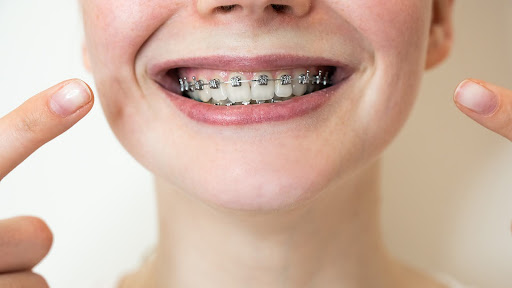
Traditional metal braces are the most recognizable and commonly used braces system. Made of high-grade stainless steel brackets and wires, they’re designed for durability and powerful tooth movement.
Benefits
- Reliable & Efficient – Metal braces are a proven, time-tested choice for correcting everything from simple spacing issues to more complex alignment and bite problems.
- Durable – These braces are strong and less prone to breakage than some other systems.
- Customizable Look – You can choose colorful elastics to personalize your braces.
- Cost-Effective – Often the most budget-friendly braces option.
Lifestyle Considerations
Metal braces are very effective, but they are also the most noticeable option. For teens or adults who don’t mind showing their treatment, metal braces are often a solid choice. They are generally low-maintenance and well-suited for most active lifestyles.
Ceramic Braces: Aesthetic and Discreet
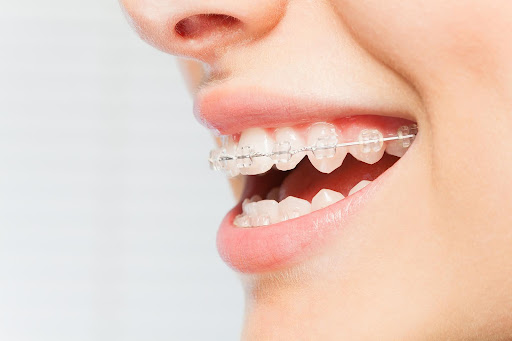
Ceramic braces work similarly to metal braces, but with brackets made from clear or tooth-colored materials. This makes them less visible and more cosmetically appealing — especially for adult patients or professionals who want a subtler look.
Benefits
- Less Visible – Ceramic braces blend in with your natural teeth, making them a popular choice for adults or anyone concerned about appearance during treatment.
- Effective – They offer strong corrective power for many orthodontic cases.
Considerations
- More Fragile – The ceramic material can be more brittle than metal, which means it may require extra care.
- Slightly Longer Treatment — Because ceramic brackets can be more delicate, treatment times may be a bit longer on average compared to metal braces.
- Oral Hygiene – Maintaining clean teeth and braces is especially important with ceramic, as discoloration around the brackets can become noticeable if not cared for properly.
Best For
Ceramic braces are ideal for older teens and adults who want the effectiveness of braces with a more discreet appearance.
Lingual Braces: Virtually Invisible Orthodontics
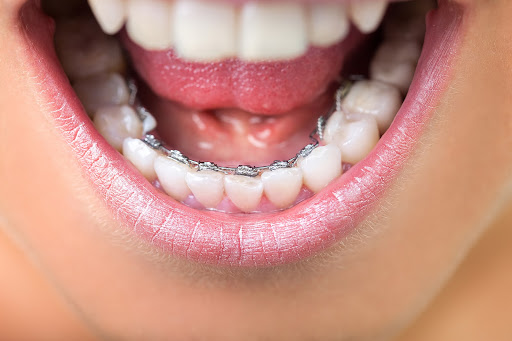
If discretion is your top priority, lingual braces, placed on the back (lingual side) of your teeth, are worth considering. They deliver the same corrective results as traditional braces but remain completely hidden from view.
Benefits
- Invisible from the Front – Since the brackets are affixed to the inside surfaces of the teeth, lingual braces are hidden when you smile or speak.
- Effective – Like metal and ceramic braces, lingual braces provide precise control over tooth movement.
Considerations
- Adjustment Period – Some patients initially find lingual braces trickier to get used to, especially regarding speech and tongue comfort.
- Typically Longer Treatment Time – Because they’re more challenging to adjust, treatment with lingual braces may take a little longer than other traditional braces options.
Best For
Adults, professionals, and anyone who wants the benefits of braces without having them visible at all.
Comparing Treatment Time & Cost
Here’s a quick snapshot of how metal, ceramic, and lingual braces compare:
| Type | Treatment Duration | Cost Range |
|---|---|---|
| Metal Braces | ~18–24 months | ~$3,000–$7,000 |
| Ceramic Braces | ~20–30 months | ~$4,000–$8,000 |
| Lingual Braces | ~24–36 months | ~$8,000–$13,000 |
Note: Actual treatment time and cost can vary based on your specific orthodontic needs and the complexity of your case.
Choosing What Fits Your Lifestyle
Your daily routine, personal preferences, and aesthetic priorities play an important role in deciding which type of braces suits you best:
- Active Teens or Budget-Conscious Patients – Traditional metal braces are durable, efficient, and more affordable.
- Adults and Image-Conscious Individuals – Ceramic braces offer a more subtle look while remaining highly effective.
- Professionals & Discretion-Priority Patients – Lingual braces deliver invisible treatment without compromising results.
At Nathan Davis Orthodontics, Dr. Davis takes the time to understand your lifestyle goals and aesthetic preferences before recommending the best orthodontic option for you.
Why Trust Nathan Davis Orthodontics?
Choosing an orthodontist is a big decision, and the team at Nathan Davis Orthodontics is committed to making your experience positive and personalized. Dr. Davis and his staff take pride in offering a diverse range of treatment options, including traditional metal braces, ceramic braces, lingual braces, and more advanced options.
From your first consultation through to the day your braces come off and beyond, you’ll receive compassionate care, attention to detail, and support tailored to your unique needs.
Frequently Asked Questions
What’s the difference between metal and ceramic braces?
Metal braces are made of stainless steel and are very strong and visible. Ceramic braces use clear or tooth-colored materials that make them less noticeable while offering similar corrective results.
Are lingual braces right for everyone?
Lingual braces are excellent for patients who want invisible treatment, but they may not be ideal for every case. Dr. Davis will assess your needs during your consultation.
Do braces hurt?
Some initial discomfort is normal as your teeth begin to move, but this typically fades quickly. Over-the-counter pain relief and careful care help most patients adjust comfortably.
How long will I need to wear braces?
Most patients wear braces anywhere from 18 months to three years, depending on the type of braces and the complexity of their orthodontic needs.
Will my braces show when I smile?
Metal braces are the most visible, ceramic braces are more discreet, and lingual braces are hidden behind the teeth and invisible from the front.
Transform Your Smile Today with Nathan Davis Orthodontics
Choosing braces is a major step toward a healthier, more confident smile. Whether you lean toward traditional metal braces, ceramic braces for a subtler look, or lingual braces for complete invisibility, Nathan Davis Orthodontics is here to help you find the perfect fit. Schedule your consultation with Dr. Davis today and take the first step toward your best smile!