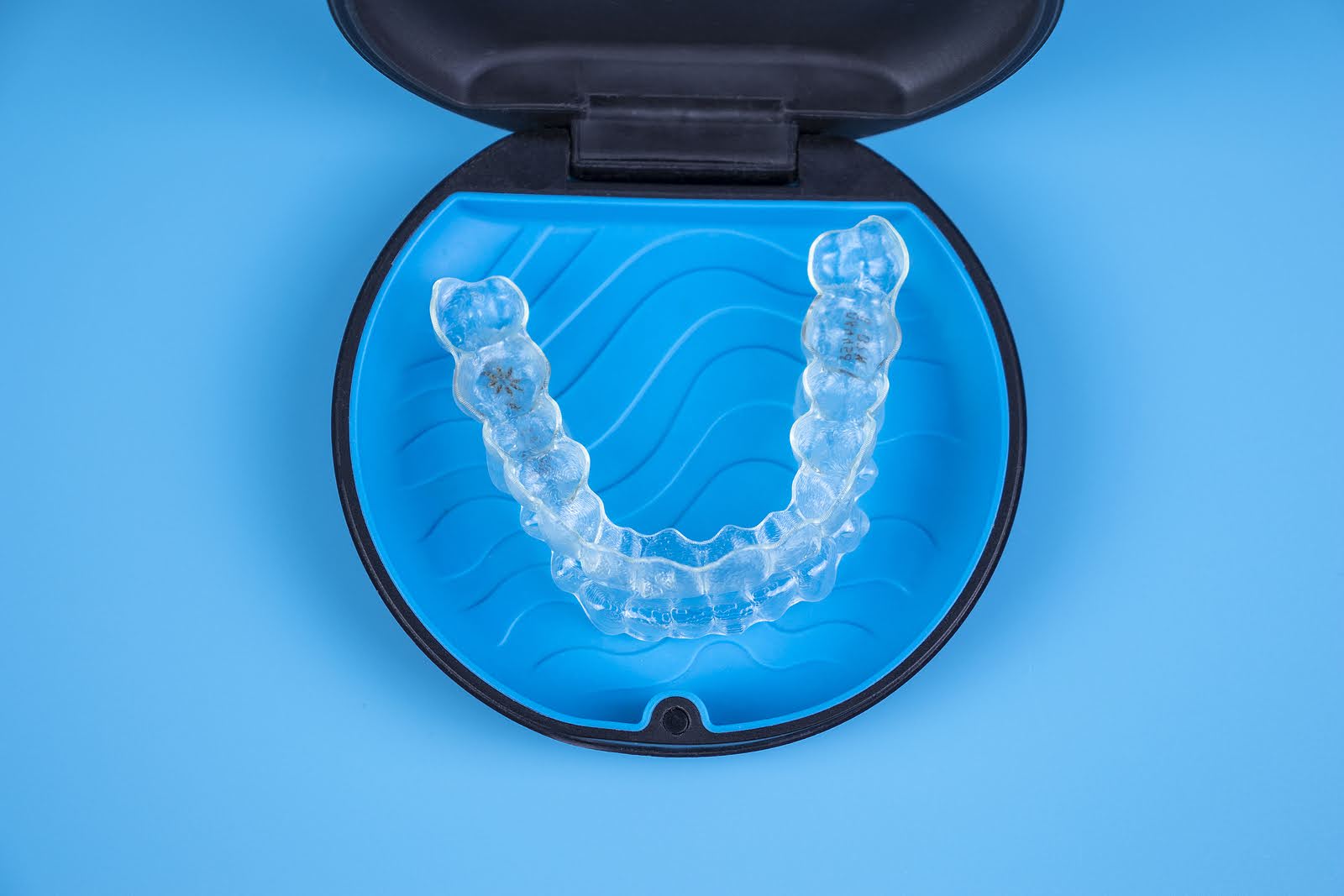
Quick Answer: Some patients aren’t ideal candidates for Invisalign if they have severe bite issues, complex tooth movements, untreated gum disease or cavities, poor oral hygiene, or cannot commit to wearing aligners as directed.
Invisalign has become one of the most popular orthodontic treatments for teens and adults who want a straighter smile without traditional metal braces. Using a series of custom-made, clear aligners, Invisalign gradually shifts teeth into proper alignment. The system is discreet, removable, and designed for comfort.
However, while many patients qualify, not everyone is a good candidate for Invisalign. Certain dental conditions, bite complexities, and lifestyle factors can make other orthodontic treatments more effective.
At Nathan Davis Orthodontics, patients receive a comprehensive evaluation to determine the best course of action. In this article, we’ll break down who may not be an ideal candidate for Invisalign and why a personalized consultation is essential.
What Makes Someone a Good Candidate for Invisalign?
Before discussing who may not qualify, it’s helpful to understand what defines a good candidate for Invisalign.
Typically, ideal candidates have:
- Mild to moderate crowding or spacing
- Minor to moderate bite concerns
- Healthy teeth and gums
- Fully erupted permanent teeth (teens and adults)
- The discipline to wear aligners 20–22 hours per day
- A commitment to good oral hygiene
When these factors are present, Invisalign can produce highly predictable, effective results.
When You’re Not a Good Candidate for Invisalign
While Invisalign technology continues to advance, certain cases are better treated with traditional braces or other orthodontic solutions.
1. Patients With Severe Bite Issues
Severe overbites, underbites, crossbites, or open bites often require more complex correction. Invisalign can treat many bite issues, but in extreme cases, fixed braces provide greater control over tooth and jaw movement.
When jaw alignment plays a significant role in the problem, braces, sometimes combined with additional appliances, may offer more precise adjustments.
2. Individuals With Complex Tooth Movements
Certain types of tooth movement are more difficult with clear aligners alone, including:
- Large tooth rotations
- Significant vertical movements (intrusion or extrusion)
- Teeth that are severely tipped
- Major alignment corrections require heavy force
In these situations, braces may achieve faster and more controlled results.
3. Patients With Active Gum Disease or Untreated Cavities
Healthy gums and teeth are essential before starting any orthodontic treatment.
If a patient has:
- Periodontal disease
- Bone loss
- Active tooth decay
- Untreated infections
These issues must be addressed first. Moving teeth in an unhealthy environment can worsen damage and compromise long-term oral health.
At Nathan Davis Orthodontics, overall dental health is carefully evaluated before recommending Invisalign or braces.
4. Patients With Poor Oral Hygiene Habits
Invisalign aligners are removable, which means responsibility falls on the patient to maintain proper care.
If someone:
- Frequently forgets to brush and floss
- Does not clean aligners properly
- Leaves aligners out for long periods
- Eats or drinks sugary beverages while wearing trays
They may not be a good candidate for Invisalign.
Poor oral hygiene during treatment can lead to cavities, staining, and gum inflammation.
5. Individuals Who Cannot Commit to Wearing Aligners
Invisalign must be worn 20–22 hours per day for optimal results. Aligners should only be removed for:
- Eating
- Drinking anything besides water
- Brushing and flossing
Patients who frequently remove their trays or forget to put them back in may experience delayed progress or compromised results.
Younger patients who are not yet responsible enough to manage removable appliances may be better suited for braces, which stay in place 24/7.
6. Patients With Severe Bruxism (Teeth Grinding)
Chronic teeth grinding can damage Invisalign trays. Excessive pressure may:
- Crack aligners
- Distort trays
- Slow treatment progress
In these cases, alternative orthodontic approaches may be more durable and predictable.
7. Individuals With Significant Jaw or Skeletal Discrepancies
Some orthodontic problems stem from jaw structure rather than just tooth positioning. Severe skeletal discrepancies sometimes require:
- Orthodontic appliances
- Growth modification (in younger patients)
- Surgical orthodontics in adults
Clear aligners alone may not be sufficient in these complex cases.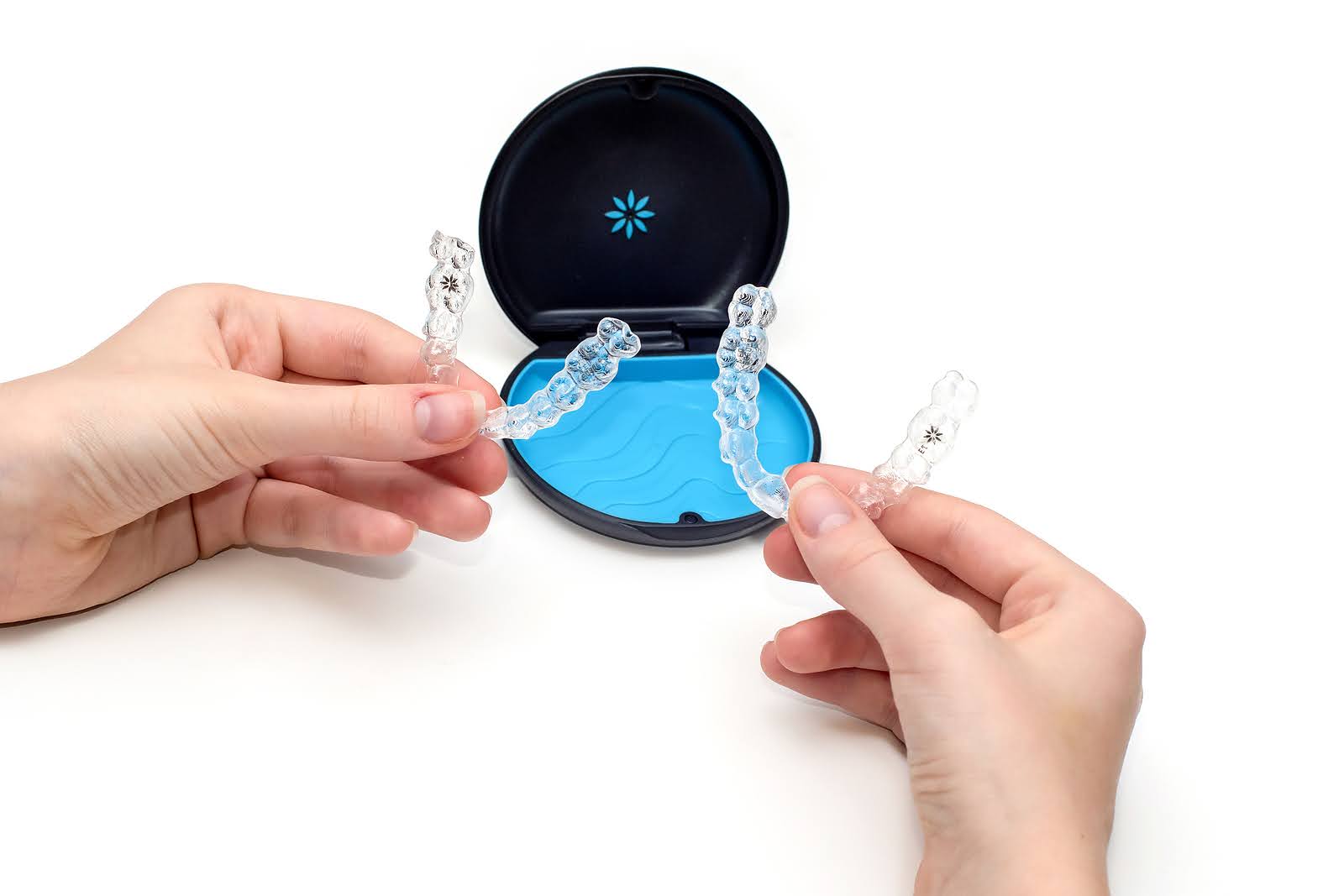
Can You Still Get Invisalign If You’re Not an Ideal Candidate?
In some cases, yes.
Modern orthodontics allows for combination treatments. For example:
- Limited braces may be used first to correct complex movements.
- Invisalign may follow for finishing alignment.
- Dental work may be completed before orthodontic treatment begins.
A consultation at Nathan Davis Orthodontics will determine whether modifications can make Invisalign an option, or whether another treatment would provide better results.
Invisalign vs. Braces: Why Candidacy Matters
Choosing the right treatment affects:
- Treatment length
- Comfort
- Final results
- Long-term stability
Braces remain the gold standard for severe and complex cases because they allow continuous force and greater control.
Invisalign, on the other hand, offers:
- Discreet appearance
- Removability
- No food restrictions
- Easier brushing and flossing
The key is determining which option aligns best with your specific dental needs.
How Nathan Davis Orthodontics Determines Eligibility
At Nathan Davis Orthodontics, candidacy for Invisalign is determined through:
- Comprehensive oral examination
- Digital imaging and scans
- Bite analysis
- Review of dental and medical history
- Discussion of patient lifestyle and goals
Every smile is unique. What works perfectly for one patient may not be ideal for another.
The goal is always to recommend the treatment that delivers the healthiest, most stable, and most attractive long-term result.
Signs You Might Be a Good Candidate for Invisalign
You may be a strong candidate if you:
- Have mild to moderate crowding or spacing
- Have minor bite misalignment
- Maintain good oral hygiene
- Are responsible and consistent
- Prefer a nearly invisible treatment option
If you are unsure, the best step is to schedule a professional consultation.
Frequently Asked Questions
1. Can anyone choose Invisalign over braces?
Not everyone is a good candidate for Invisalign. While many teens and adults qualify, severe bite issues, complex tooth movements, or poor oral health may require alternative treatments.
2. Is Invisalign only for mild cases?
Invisalign can treat many moderate orthodontic issues. However, severe alignment problems may be corrected more effectively with traditional braces.
3. Does age affect Invisalign candidacy?
Invisalign is generally recommended for teens and adults with fully developed permanent teeth. Younger children are typically better suited for braces or early orthodontic intervention.
4. What if I have gum disease?
Gum disease must be treated and stabilized before starting Invisalign. Healthy gums are critical for safe tooth movement.
5. Can I switch to braces if Invisalign isn’t working?
Yes. If Invisalign does not produce the desired results or compliance becomes an issue, treatment plans can be adjusted to include braces.
6. How do I know if I’m a good candidate for Invisalign?
The only way to know for sure is through a professional orthodontic evaluation. A thorough exam will determine whether Invisalign can safely and effectively achieve your smile goals.
Find Out If You’re a Good Candidate for Invisalign Today
Invisalign is an outstanding orthodontic option for many patients, but it isn’t one-size-fits-all. Being a good candidate for Invisalign depends on your dental health, bite complexity, and commitment to wearing aligners properly.
If you’re considering clear aligners, our team at Nathan Davis Orthodontics can evaluate your smile and recommend the most effective treatment plan tailored specifically to you. Contact us for more details.